Celebrate National Nutrition Month 2026: 31 Days of Healthy Eating Habits sets the stage for this enthralling narrative, offering readers a glimpse into a story that is rich in detail with casual formal language style and brimming with originality from the outset.
Exploring the importance of dedicating a month to promoting healthy eating habits, this engaging content delves into various aspects of nutrition and lifestyle changes that can inspire readers to adopt better habits.
Importance of National Nutrition Month
National Nutrition Month serves as a dedicated time to focus on the importance of healthy eating habits and overall wellness. By highlighting the significance of nutrition, this month-long observance aims to educate individuals and communities about making informed food choices for better health outcomes.
Impact on Individuals and Communities
- Raising awareness about nutrition during National Nutrition Month can empower individuals to take control of their health and well-being by making positive dietary changes.
- Communities can benefit from collective efforts to promote healthy eating habits, leading to improved overall health outcomes and reduced rates of diet-related diseases.
- Education and resources provided during this month can have a lasting impact on individuals, encouraging them to adopt long-term healthy eating habits.
Inspiring Positive Lifestyle Changes
- National Nutrition Month can inspire individuals to try new foods, explore different cooking methods, and incorporate more fruits and vegetables into their daily meals.
- Through various campaigns and initiatives, this observance can motivate people to prioritize nutrition and make conscious choices that support their overall well-being.
- By celebrating healthy eating habits and the benefits of a balanced diet, National Nutrition Month can spark a ripple effect, encouraging others to join in and embrace a healthier lifestyle.
Tips for Healthy Eating Habits
Maintaining healthy eating habits is crucial for overall well-being. Here are some simple yet effective tips to help you make better dietary choices.Role of Portion Control
Portion control plays a vital role in maintaining a balanced diet. It is important to pay attention to serving sizes to avoid overeating. One tip is to use smaller plates to trick your mind into thinking you are eating more than you actually are. Additionally, measuring out portions and avoiding eating straight from the package can help control the amount of food consumed.Incorporating More Fruits and Vegetables
Fruits and vegetables are essential for a healthy diet, but many people struggle to include an adequate amount in their daily meals. One creative idea is to add fruits to your breakfast by blending them into a smoothie or topping your cereal with fresh berries. For vegetables, try incorporating them into dishes like stir-fries, soups, or salads. Snacking on raw vegetables with hummus or yogurt dips is also a great way to increase your intake.Nutrient-Rich Foods to Include
When it comes to maintaining overall health and well-being, incorporating nutrient-rich foods into your diet is crucial. These foods are packed with essential vitamins, minerals, and antioxidants that support various bodily functions and help prevent chronic diseases.
Key Nutrients for Health
Key nutrients essential for overall health include:
- Protein: important for muscle growth and repair
- Fiber: aids in digestion and helps maintain a healthy weight
- Omega-3 fatty acids: known for their anti-inflammatory properties
- Vitamin C: boosts the immune system and promotes healthy skin
- Calcium: essential for strong bones and teeth
Nutrient-Rich Foods to Include
Include the following foods in your diet to ensure you're getting a variety of essential nutrients:
- Leafy greens like spinach and kale
- Fatty fish such as salmon and mackerel
- Legumes like lentils and chickpeas
- Berries such as blueberries and strawberries
- Nuts and seeds like almonds and chia seeds
Benefits of Colorful Foods
Incorporating a variety of colorful foods in your diet not only makes meals visually appealing but also ensures you're getting a wide range of nutrients. Different colors in fruits and vegetables signify the presence of various vitamins, minerals, and antioxidants, each offering unique health benefits. For example, red and orange fruits and vegetables are rich in vitamin C and beta-carotene, which promote skin health and support immune function. Meanwhile, green leafy vegetables are packed with fiber, iron, and calcium, essential for overall health and well-being.
Meal Planning and Preparation
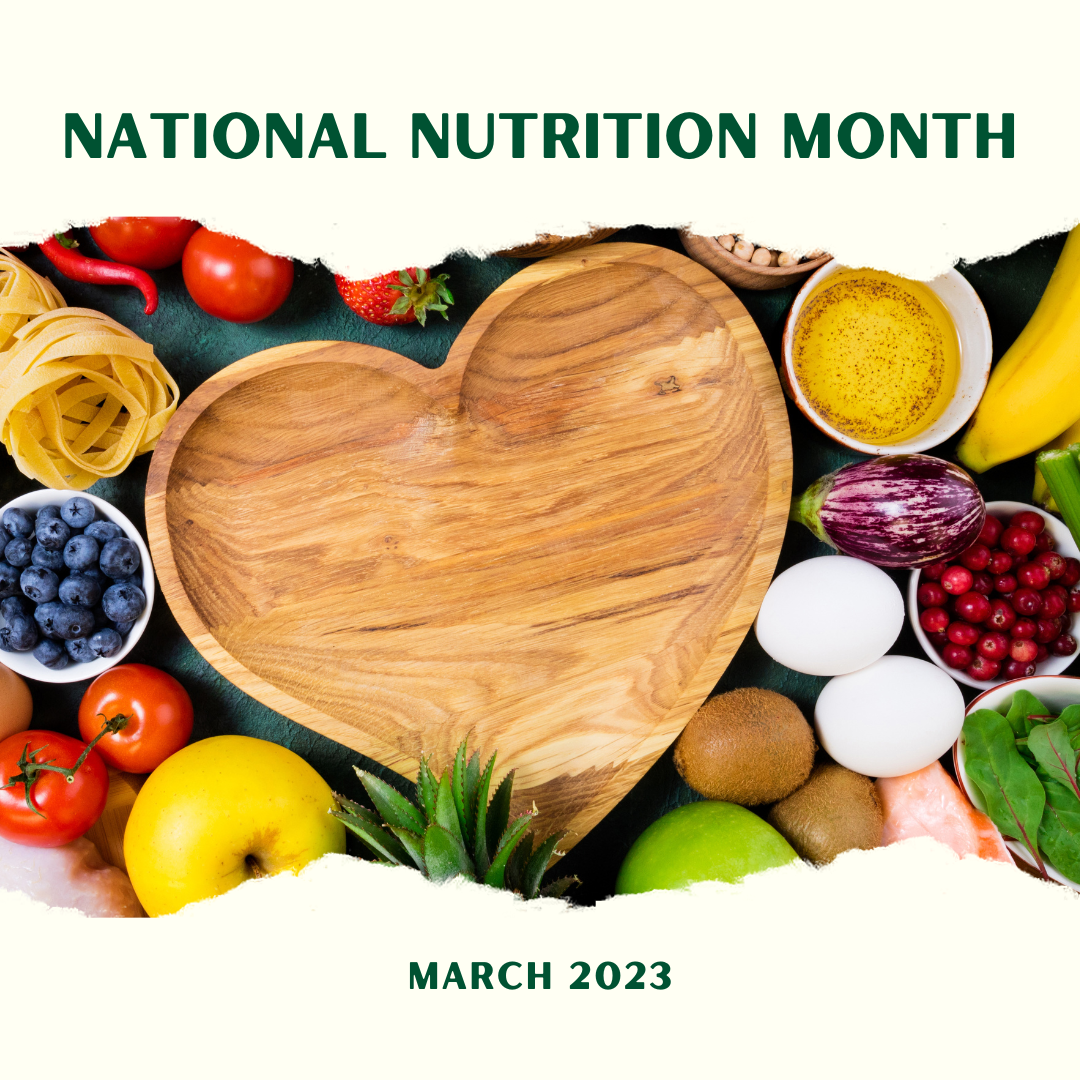
Effective meal planning is crucial to support healthy eating habits. It helps ensure that you have nutritious meals readily available, especially during busy days. Preparing meals in advance can save time and prevent unhealthy food choices when you're on the go. Balancing nutrients in meals is essential to maintain a well-rounded diet and meet your body's needs.
Strategies for Effective Meal Planning
- Set aside time each week to plan your meals and snacks.
- Consider your schedule and choose recipes that are quick and easy to prepare.
- Make a grocery list based on your meal plan to avoid impulse purchases.
- Prep ingredients in advance to streamline cooking during the week.
Importance of Preparing Meals in Advance
- Having meals ready reduces the temptation to opt for fast food or unhealthy choices.
- You can control portion sizes and ingredients to ensure a balanced diet.
- Meal prepping saves time and money in the long run.
- It allows you to incorporate a variety of nutrient-rich foods into your meals.
Tips for Balancing Nutrients in Meals
- Include a source of lean protein, such as chicken, fish, tofu, or legumes, in every meal.
- Incorporate a variety of colorful fruits and vegetables to get a range of vitamins and minerals.
- Choose whole grains like quinoa, brown rice, or whole wheat pasta for fiber and sustained energy.
- Don't forget healthy fats from sources like avocado, nuts, seeds, and olive oil.
Mindful Eating Practices
Practicing mindful eating involves being fully present and engaged in the eating experience, focusing on the sensations and emotions associated with food consumption. This approach can have a significant impact on overall health and well-being.
Techniques for Practicing Mindful Eating
- Avoid distractions such as watching TV or using electronic devices while eating.
- Take time to appreciate the colors, textures, and flavors of the food.
- Eat slowly and chew your food thoroughly to savor each bite.
- Pause between each bite to check in with your hunger and fullness cues.
- Express gratitude for the nourishment the food provides to your body.
Benefits of Being Present While Eating
- Improved digestion: Mindful eating can help reduce digestive issues such as bloating and indigestion.
- Enhanced satisfaction: By paying attention to your food, you are more likely to feel satisfied and content after meals.
- Weight management: Mindful eating can prevent overeating and promote a healthy relationship with food, aiding in weight management goals.
Celebrating National Nutrition Month in Communities
Celebrating National Nutrition Month in communities is a great way to promote healthy eating habits and raise awareness about the importance of nutrition. It provides an opportunity for people to come together and learn about making better food choices for their overall well-being.Organizing Events and Workshops
Organizing events and workshops during National Nutrition Month can be a fun and engaging way to educate the community about healthy eating habits. These events can include cooking demonstrations, nutrition seminars, or fitness classes to encourage people to adopt healthier lifestyles.
Challenges to Encourage Participation
Running challenges like a healthy eating challenge or a fitness challenge can motivate individuals to make positive changes in their diet and exercise routine. These challenges can be designed to be fun and interactive, fostering a sense of community spirit and support among participants.
Collaborating with Local Organizations and Businesses
Collaborating with local organizations and businesses is crucial in spreading awareness about nutrition during National Nutrition Month. Partnering with schools, hospitals, gyms, or supermarkets can help reach a wider audience and provide valuable resources and support for promoting healthy eating habits.
Wrap-Up
As we conclude this captivating discussion on Celebrate National Nutrition Month 2026: 31 Days of Healthy Eating Habits, it's clear that the journey towards better nutrition is not just a personal one but a communal endeavor. Let's continue to spread awareness and make positive changes in our lives and communities.
FAQ Corner
What are the key nutrients essential for overall health and well-being?
Key nutrients like vitamins, minerals, protein, and fiber play crucial roles in maintaining health. Including a variety of nutrient-rich foods in your diet can help you meet these requirements.
How can mindful eating practices benefit overall health?
Mindful eating encourages being present while eating, aiding in better digestion and satisfaction. It can also help in recognizing hunger and fullness cues, leading to healthier eating habits.